How Your Air Conditioner Actually Cools Your Home
When temperatures climb into the triple digits across North Central Arizona, it can be tempting to set the thermostat far below your target temperature to cool the house faster. Although that may seem logical, most residential air conditioning systems do not work that way.
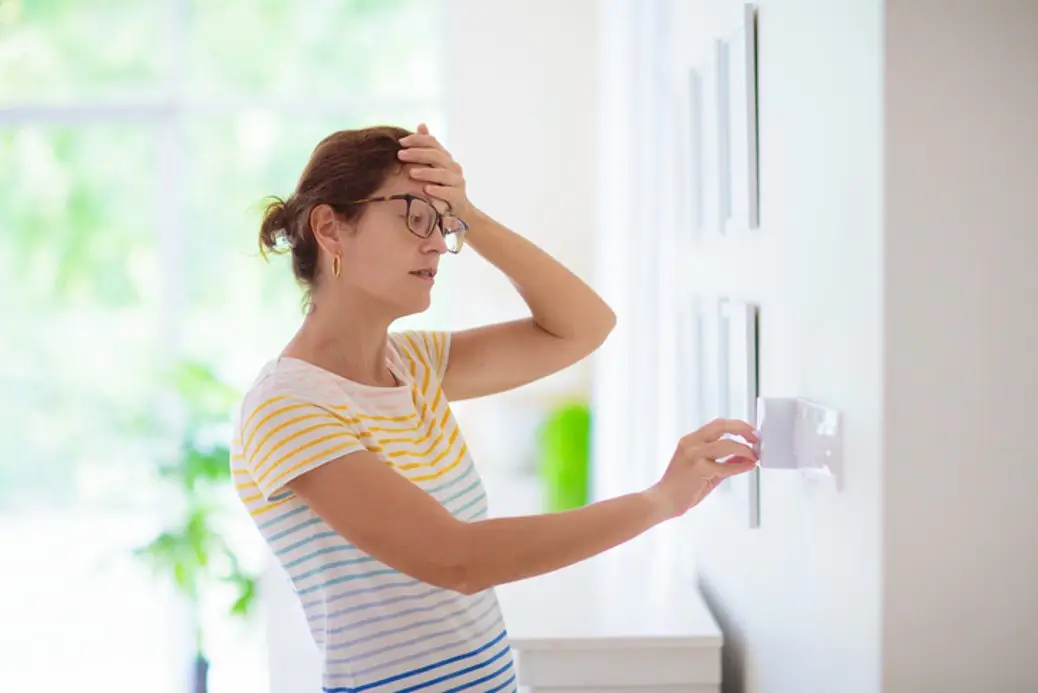
Unlike a car's accelerator, your thermostat doesn't tell the air conditioner to work "harder." It simply tells the system whether to keep running until the target temperature is reached. Understanding how your system responds can help you improve comfort while avoiding unnecessary strain.
How Your Thermostat Actually Controls Your HVAC System
The Thermostat Is a Switch, Not a Speed Control
Your thermostat tells the system when to turn on and when to shut off after reaching the selected temperature. It doesn't tell the air conditioner to cool "harder" because you've selected a lower setting.
Your System Cools at a Consistent Rate
Most residential HVAC systems operate at a single cooling capacity. Whether the thermostat is set to 74° or 68°, the air coming from the supply vents is generally the same temperature.
Lower Settings Mean Longer Run Times
Dropping the thermostat well below your desired indoor temperature doesn't cool your home any faster. It simply keeps the system running until it eventually reaches that lower setting.
Comfort Depends on More Than Air Temperature
Indoor humidity, insulation, sun exposure, attic heat, and the temperature of walls and furnishings all influence how comfortable your home feels, even when the thermostat displays your target temperature.
Arizona Heat Creates Bigger Cooling Challenges
Arizona homes face unique cooling demands during the summer. Extreme outdoor temperatures, strong sunlight, and heat stored in roofing materials continue to transfer heat into your home throughout the day.
That means your air conditioner is constantly working against new heat entering the house, not just cooling the air that was already inside.
Several factors increase the workload:
- Solar Heat Gain. Windows and roofing materials continually absorb and transfer heat indoors. Even at higher elevations, North Central Arizona's intense sunshine can warm homes quickly, especially those with large south- and west-facing windows. Solar heat gain continues adding to your cooling load throughout the afternoon, even when outdoor temperatures are lower than those in the Valley.
- Attic Temperatures. Superheated attic spaces increase the home's overall cooling demand. Attics in Flagstaff, Sedona, and surrounding communities can become significantly hotter than the outdoor air on sunny summer days. That trapped heat radiates downward and can warm ductwork, making your HVAC system work harder to maintain comfortable indoor temperatures.
- Long Cooling Cycles. Triple-digit temperatures often require HVAC systems to run for extended periods. While North Central Arizona doesn't experience the prolonged triple-digit heat common farther south, it's still normal for air conditioners to operate through the warmest part of the day as they offset solar heat gain and maintain steady indoor comfort.
- Warm Interior Surfaces. Walls, flooring, and furniture retain heat that must also be cooled over time. Your HVAC system isn't only cooling the air—it also has to remove heat stored in your home's structure. That's why it can take time for the entire house to feel comfortable again after a warm afternoon, even once the thermostat reaches the desired setting.
Why Lower Isn't Always Better
Setting the thermostat dramatically lower often creates unrealistic expectations while increasing system runtime. Although the equipment is designed to operate for long cycles during Arizona summers, unnecessary runtime may increase energy consumption without delivering faster results.
A steady approach generally provides more consistent indoor comfort.
Consider the following:
- Energy Consumption. Longer operating cycles typically increase electricity usage. In Arizona, peak energy demand usually occurs in the late afternoon and early evening, when outdoor temperatures are highest and your air conditioner must work hardest to remove heat from your home. Maintaining a more stable indoor temperature often requires less energy than asking the system to cool several degrees all at once.
- System Wear. Extended runtime adds operating hours to motors and other mechanical components. Compressors, blower motors, and capacitors all experience additional strain when they operate for prolonged periods under extreme heat. While HVAC systems are designed for long summer run times, reducing unnecessary stress can help extend the life of these critical components.
- Comfort Expectations. Large temperature swings may make indoor spaces feel less comfortable overall. Walls, flooring, furniture, and other building materials absorb heat throughout the day, so even after the thermostat reaches the desired setting, those surfaces can continue releasing stored warmth into your living space. Maintaining a steadier temperature helps create more consistent comfort.
- Recovery Time. Homes that become excessively warm during the day naturally require time to cool, regardless of thermostat settings. Factors such as attic insulation, sun exposure, ductwork efficiency, and your home's construction all influence how quickly indoor temperatures recover. Simply lowering the thermostat further won't cool the home faster—it only keeps the system running until the target temperature is eventually reached.
Smarter Ways to Stay Comfortable During Arizona Summers
Improving comfort often has less to do with lowering the thermostat and more to do with reducing the amount of heat entering the home. Small adjustments can make a noticeable difference in both comfort and efficiency.
Helpful strategies include:
- Installing Programmable Thermostats. Maintain consistent temperatures rather than making large adjustments throughout the day. In Arizona, forcing your system to recover from a five- or six-degree temperature swing during the hottest part of the afternoon often keeps it running longer than if it had maintained a steady indoor temperature. Smart scheduling also reduces unnecessary compressor cycling during peak utility demand.
- Performing Air Filter Maintenance. Clean filters allow better airflow and help your system cool more efficiently. Even a partially clogged filter can raise static pressure inside the system, forcing the blower motor to work harder while reducing the amount of conditioned air reaching your living spaces. During Arizona's dusty months, many homes benefit from checking filters monthly rather than waiting several months between replacements.
- Prioritizing Window Coverings. Closing blinds and curtains during peak sunlight helps reduce indoor heat gain. South- and west-facing windows can introduce a surprising amount of radiant heat during the afternoon, making nearby rooms noticeably warmer and causing your thermostat to call for longer cooling cycles. Keeping those windows covered can reduce the burden on your air conditioner before the heat ever enters your home.
- Hiring Professionals for Routine HVAC Service. Regular maintenance helps your system operate at peak performance during the hottest months. A professional tune-up includes measuring refrigerant performance, inspecting electrical components for heat damage, cleaning condenser coils coated with desert dust, and verifying proper airflow. Catching these issues before summer arrives can help prevent the kinds of failures that often happen during Phoenix's longest stretches of triple-digit temperatures.
Reliable Cooling Starts with a Healthy HVAC System
If your home consistently struggles to cool, the issue may not be the thermostat setting at all. Restricted airflow, aging equipment, refrigerant issues, or deferred maintenance can all reduce cooling performance, particularly during North Central Arizona's hottest weeks.
Aire Serv of North Central Arizona helps homeowners keep their cooling systems operating efficiently through professional inspections, maintenance, and repairs that support reliable comfort all summer long.
For dependable HVAC service, contact us online or call to schedule an appointment with our team today.