
Why an Older Boiler Deserves Extra Attention Heading Into Fall
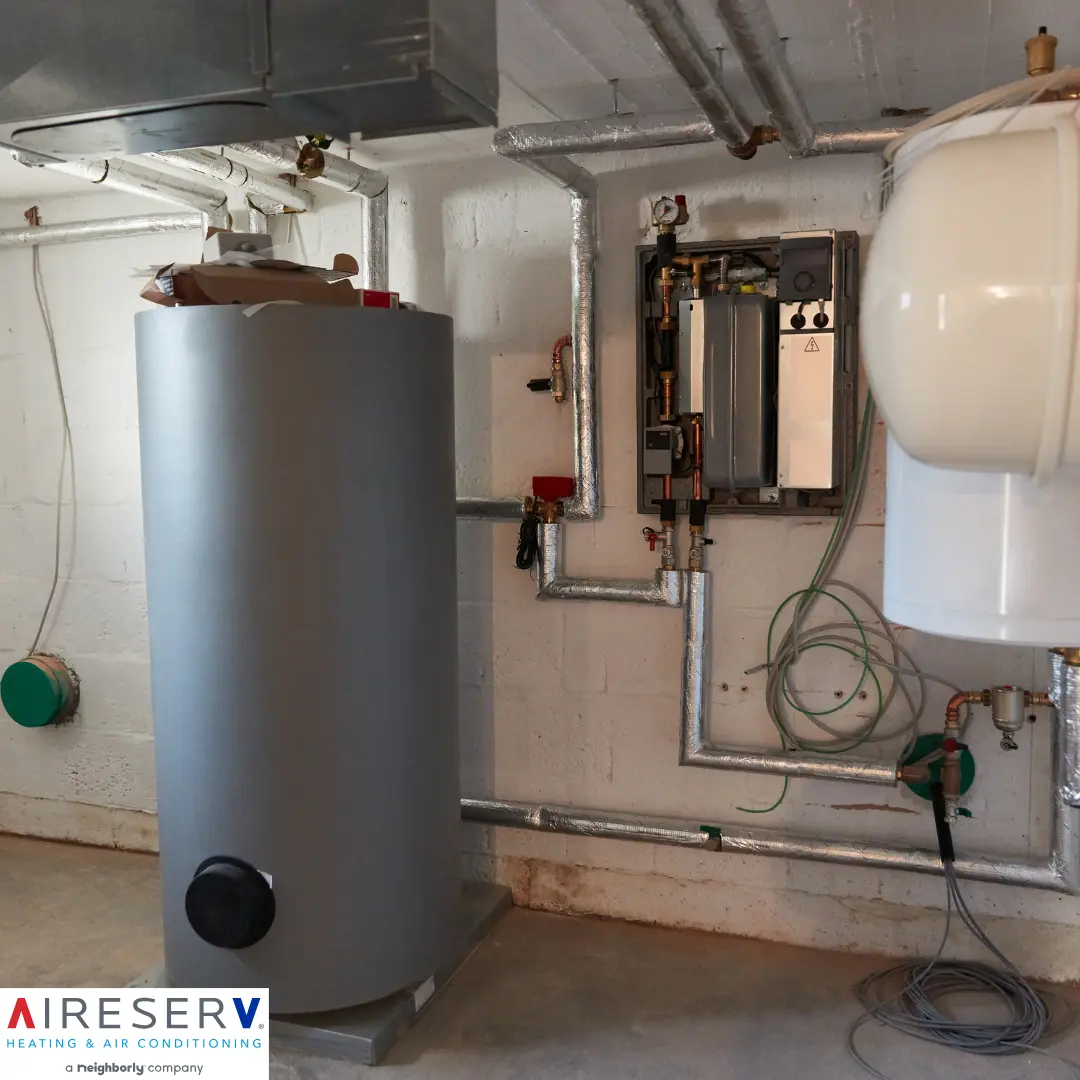
Homeowners throughout Bel Air, Aberdeen, Fallston, Forest Hill, Havre de Grace, and the surrounding Harford County communities who heat their homes with a boiler, whether an older steam system in a historic home or a hot water boiler installed decades ago, are approaching the season where that system's condition genuinely matters most. Boilers are known for their longevity, with many systems running reliably for decades when properly maintained, but this same longevity means a significant number of boilers throughout this region are well into their service life, and an aging boiler faces genuinely different risks heading into winter than a newer system does.
Understanding what actually wears down in an older boiler over time, why this wear becomes particularly consequential right before winter's heaviest demand arrives, and what homeowners can do now to address it, is worth working through clearly rather than simply hoping a system that has run reliably for years will continue doing so without any specific fall attention.
What Actually Wears Down in an Aging Boiler Over Time
A boiler's core components experience gradual wear over years of operation that is worth understanding specifically, since this wear pattern differs in important ways from the seasonal dormancy issues that affect a furnace. The heat exchanger, responsible for transferring heat from combustion into the water or steam that circulates through a home's heating system, is subject to gradual corrosion and mineral scale buildup over years of operation, particularly in areas with harder water, which is common throughout parts of Harford County. This scale buildup reduces the heat exchanger's efficiency over time, meaning an aging boiler with significant scale accumulation has to work harder and burn more fuel to produce the same heating output as it did when new.
Boiler components exposed to water, including the various valves, pumps, and circulation components throughout the system, are prone to mineral deposit buildup and gradual corrosion as well, which can affect how efficiently water or steam actually circulates through the home's radiators or baseboard heating. A circulation pump that has developed increased resistance from years of mineral buildup does not move heated water as efficiently as it once did, which can result in uneven heating throughout a home, with some rooms or radiators receiving adequate heat while others lag noticeably behind.
Pressure relief valves and other safety components, critical to a boiler's safe operation, can also degrade over years of service, and a safety component that is not functioning correctly represents a genuine safety concern rather than simply an efficiency issue. This is precisely the kind of component that a professional inspection is specifically designed to test and verify, since a homeowner has no practical way to confirm these safety systems are functioning correctly without professional equipment and expertise.
Why This Wear Becomes Especially Consequential Right Before Winter
An aging boiler that has been running at reduced efficiency throughout the milder months, when heating demand is lower and less consistent, faces a genuinely different test once winter's sustained cold arrives and the system needs to run reliably for extended periods to maintain comfortable indoor temperatures. A boiler that seemed to be functioning adequately during the lighter demand of a chilly fall morning can reveal more significant problems once it is asked to run continuously through a genuinely cold winter stretch, since sustained heavy operation places considerably more demand on already-worn components than the intermittent operation of milder weather does.
This pattern means that fall, specifically the period before sustained cold weather arrives, is the ideal window to identify and address developing issues, since a problem caught now can typically be addressed through straightforward maintenance or repair, while the same problem discovered only once winter's heaviest demand has already begun can mean a homeowner is without reliable heat during exactly the time of year when that reliability matters most.
What a Professional Pre-Winter Boiler Assessment Actually Involves
A thorough pre-winter assessment for an older boiler typically includes checking the heat exchanger for scale buildup and efficiency loss, testing pressure relief valves and other safety components to confirm they are functioning correctly, inspecting circulation pumps and valves for signs of mineral buildup or mechanical wear, and checking the overall system for any leaks, corrosion, or other visible signs of aging that might affect performance or safety through the coming winter.
For steam boilers specifically, common throughout many of the region's older homes, this assessment also typically includes checking water level controls and low-water cutoff safety devices, which are critical safety components that prevent serious damage or hazardous conditions if a boiler's water level drops too low during operation. These components, like other boiler safety systems, can degrade over years of service and deserve specific professional verification rather than being assumed to be functioning correctly simply because the system has not shown obvious problems recently.
Combustion efficiency testing, checking how effectively the boiler is actually converting fuel into usable heat, gives homeowners a concrete, measurable sense of how their system's efficiency compares to when it was new, which can inform not just immediate maintenance decisions but also longer-term planning around whether continued repair or eventual replacement makes more sense for a specific system's age and condition.
Signs That Suggest an Older Boiler Needs Attention Now Rather Than Later
Certain signs are worth taking seriously as indicators that an aging boiler needs professional attention before winter's heaviest demand arrives. Uneven heating throughout the home, where certain rooms or radiators consistently underperform compared to others, often points toward circulation issues from mineral buildup or a developing pump problem. Unusual noises, including banging, whistling, or gurgling sounds that were not present in previous years, can indicate a range of issues from mineral scale buildup to air trapped in the system, both of which are worth having professionally diagnosed rather than simply tolerated as an aging system's quirks.
Rising heating costs that cannot be explained by rate increases or unusually cold weather often reflect a genuine decline in the boiler's efficiency, since an aging system working harder to produce the same heat output directly translates into higher fuel consumption. Any visible leaks, rust, or corrosion on the boiler itself or its connected piping deserve prompt professional evaluation, since these signs can indicate both efficiency-affecting wear and, in more serious cases, developing safety concerns that should not wait until convenient.
Weighing Continued Maintenance Against Eventual Replacement
For homeowners with a genuinely old boiler, often twenty years or more depending on the specific system and how well it has been maintained over its lifespan, fall assessment season is also a reasonable time to have an honest conversation about whether continued repair and maintenance remains the right approach or whether the system is approaching the point where replacement offers better long-term value. An aging boiler that requires increasingly frequent repairs, or one whose efficiency has declined significantly from scale buildup and general wear, may be costing more in ongoing repair and fuel costs than a modern, more efficient replacement system would cost over a comparable period.
This is a genuinely individual decision that depends on the specific system's condition, age, and repair history, which is exactly why a thorough professional assessment, rather than guessing based on general age alone, gives homeowners the concrete information needed to make this decision confidently rather than reactively once a system fails during the coldest part of winter.
Why Harford County's Water Quality Makes This a More Pressing Concern
Water quality varies considerably across different parts of Harford County, and homes served by well water or areas with generally harder water face a genuinely accelerated version of the scale buildup issues discussed throughout this guide. Hard water, containing higher mineral content, particularly calcium and magnesium, deposits scale more readily and more quickly on a boiler's heat exchanger and internal components than softer water would, which means boilers in these areas can experience efficiency-reducing scale buildup at a faster rate than the same system would in an area with naturally softer water.
Homeowners uncertain about their local water hardness can generally get this information from their water utility if served by municipal water, or through a simple water hardness test if relying on a private well, which many households throughout the more rural parts of Harford County do. Understanding water hardness specifically relevant to a home's boiler is worth factoring into how frequently that particular system should be professionally assessed and, in some cases, whether a water softening system upstream of the boiler might be a worthwhile investment to slow the rate of scale accumulation going forward, extending the practical service life of the existing boiler and reducing how quickly efficiency declines between professional cleanings.
What Happens During a Boiler Cleaning and Descaling Service
For boilers found to have significant scale buildup during a fall assessment, a professional cleaning and descaling service addresses this issue directly rather than simply noting it as a general efficiency concern. This process typically involves draining the system, mechanically or chemically removing scale deposits from the heat exchanger and other affected internal components, and then refilling and properly testing the system before returning it to service. This kind of thorough cleaning can meaningfully restore efficiency that has been gradually lost to scale accumulation over years of operation, often producing a genuinely noticeable improvement in heating performance and fuel efficiency once completed.
The frequency with which this kind of descaling service is actually needed varies considerably based on local water hardness and how the system has been maintained historically, which is exactly why a professional assessment, rather than a fixed, generic maintenance schedule, gives homeowners the most accurate picture of whether this specific service is needed this particular fall or whether the system's current condition does not yet warrant this more involved intervention.
Frequently Asked Questions
How often should an older boiler be professionally inspected?
Most boilers benefit from at least an annual inspection, ideally scheduled in fall before winter's heaviest heating demand begins, though systems with a history of issues or particularly advanced age may benefit from more frequent attention.
Can mineral scale buildup really affect how well my boiler heats my home?
Yes, significantly. Scale buildup on the heat exchanger reduces heat transfer efficiency, which means the boiler has to work harder and burn more fuel to produce the same heating output, and this same buildup in circulation components can contribute to uneven heating throughout the home.
Is it normal for an older boiler to make more noise than it used to?
Some increase in operational noise can occur with age, but banging, whistling, or gurgling sounds that are new or have gotten more pronounced are worth having professionally evaluated, since these can indicate mineral buildup, trapped air, or other developing issues.
How do I know if my boiler's safety components are still working correctly?
This genuinely requires professional testing, since components like pressure relief valves and low-water cutoffs cannot be reliably verified through visual inspection alone, which is exactly why a professional pre-winter assessment matters for older systems.
At what point should I consider replacing my boiler instead of continuing to repair it?
This depends on the specific system's age, repair history, and efficiency, but a boiler requiring increasingly frequent repairs or showing significantly reduced efficiency from age-related wear is worth evaluating for replacement rather than assuming continued repair is automatically the better choice.
Does a boiler really need attention every fall if it ran fine last winter?
Yes, this is a reasonable practice regardless of how the system performed the previous winter, since gradual wear from scale buildup and component aging continues year over year, and catching developing issues early is considerably easier than addressing them once winter's heaviest demand has already begun.
Get Your Boiler Ready Before Winter's Heaviest Demand Arrives
An aging boiler that has been running at gradually reduced efficiency throughout the year faces its most demanding test once winter's sustained cold weather arrives, and homeowners throughout Bel Air, Aberdeen, Fallston, Forest Hill, Havre de Grace, and the surrounding Harford County area benefit from having that system assessed before this demand actually begins. The team at Aire Serv of Bel Air brings the diagnostic expertise and boiler service experience to make sure your heating system is genuinely ready for the season ahead.
Call us or visit aireserv.com/bel-air to schedule your pre-winter boiler assessment throughout Bel Air and the surrounding Harford County area.