
Why Oil Heat Homeowners Face a Distinct Fall Checklist
Homeowners throughout Bel Air, Aberdeen, Fallston, Forest Hill, Havre de Grace, and the surrounding Harford County communities who heat with oil rather than natural gas face a genuinely distinct set of fall preparation tasks compared to gas-heated homes. Oil heat requires active fuel management, monitoring tank levels, scheduling deliveries, and understanding how consumption patterns change once winter arrives, none of which a natural gas system requires given its continuous utility connection. This means fall preparation for an oil-heated home involves a combination of the equipment readiness concerns that apply to any heating system and the fuel logistics considerations that are unique to oil heat specifically.
Getting ahead of both categories before winter's heaviest heating demand arrives helps oil-heat homeowners throughout Harford County avoid both the equipment failures and the fuel supply problems that become considerably more disruptive and more difficult to resolve once genuinely cold weather has set in.
Understanding Oil Consumption Patterns as Winter Approaches
Oil consumption naturally increases as outdoor temperatures drop, and this relationship is worth understanding concretely rather than assuming a rough sense of "it gets used up faster in winter" is sufficient for planning purposes. A furnace or boiler that might run only occasionally during a mild fall day will run considerably more often, and for longer periods, once winter's sustained cold arrives, which means the rate of oil consumption throughout December, January, and February is meaningfully higher than the rate during October or even November in most years. Homeowners who track their own historical consumption patterns, many oil delivery companies provide this data, or a homeowner can track it themselves from delivery records, gain a genuinely useful tool for anticipating how quickly this winter's demand will draw down their tank compared to milder fall weather.
This matters particularly for planning delivery timing, since a homeowner who orders oil based on fall consumption patterns without adjusting for winter's higher demand risks running their tank down faster than anticipated once cold weather truly arrives, which can create exactly the kind of low-fuel or run-out situation that is both inconvenient and, in some cases, can cause equipment issues if a system runs dry unexpectedly.
Why Running Out of Oil Is a Bigger Problem Than Simply Running Out
Beyond the obvious inconvenience of a home without heat, running an oil tank completely empty creates a specific mechanical problem worth understanding. When an oil tank runs dry, air and sediment from the bottom of the tank can be drawn into the fuel lines and system components, which often requires a technician to bleed air from the lines and, in some cases, clean or replace affected components before the system can be restarted reliably. This means a run-out situation is not simply resolved by refilling the tank. It typically requires a service visit to actually get the system running again, which adds both cost and delay on top of the immediate inconvenience of having no heat.
This is exactly why monitoring tank levels and scheduling deliveries proactively, rather than waiting until a tank gauge reads uncomfortably low, matters so much for oil-heat homeowners specifically. A general guideline many oil delivery companies recommend is scheduling a delivery once a tank drops to around one-quarter full, giving adequate buffer against the kind of unexpected consumption spike a sudden cold snap can create, particularly in a region where winter temperatures can drop into the twenties for extended stretches.
Scheduling Considerations for Fall and Early Winter Deliveries
Oil delivery companies throughout Harford County, like most service providers, tend to see increased demand once winter weather arrives and homeowners realize their tank levels are dropping faster than anticipated during a genuinely cold stretch. Scheduling proactively in fall, before this seasonal demand surge, generally means more flexibility in delivery timing and can help avoid the kind of delivery delays that sometimes occur during the coldest, busiest stretches of winter when many households throughout the region are all requesting delivery around the same time.
For homeowners who have not previously used an automatic delivery service, where the delivery company tracks estimated consumption based on weather and historical usage and schedules deliveries proactively without the homeowner needing to actively monitor and request each delivery, fall is a reasonable time to consider whether this kind of service would reduce the mental load of fuel management throughout the winter, particularly for homeowners who have experienced a low-fuel scare in a previous winter and want to avoid repeating that experience.
Equipment Readiness Specific to Oil Heating Systems
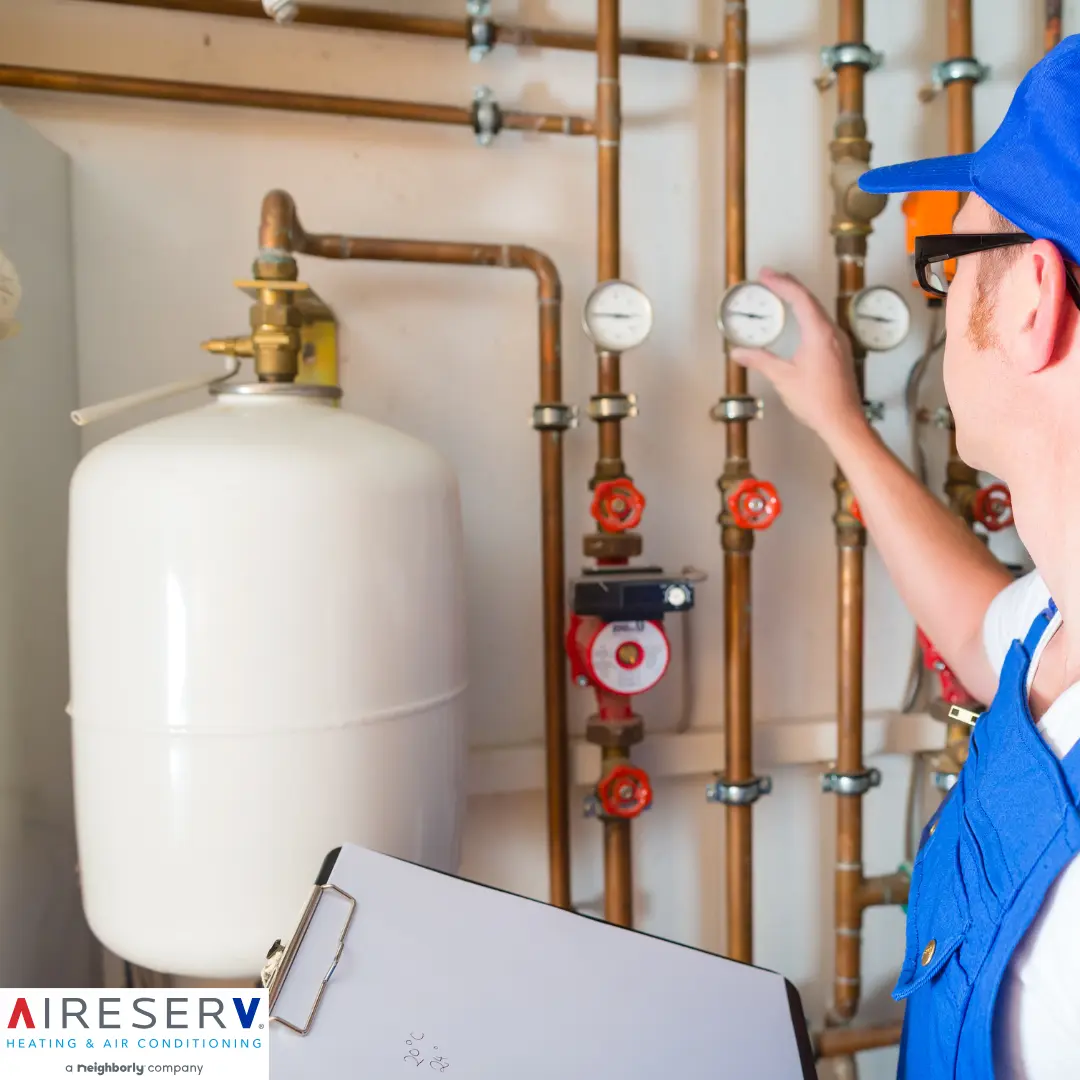
Beyond fuel logistics, oil heating equipment itself benefits from the same kind of pre-season professional attention that any heating system needs before winter's heaviest demand arrives, with a few considerations specific to oil systems worth understanding. Oil furnaces and boilers rely on a nozzle and burner assembly to properly atomize and combust fuel oil, and this assembly can develop carbon buildup and wear over a season of operation that affects combustion efficiency and can, in more significant cases, affect safe operation if left unaddressed.
The oil filter, a component specific to oil heating systems, should be replaced as part of routine fall maintenance, since a clogged or degraded filter can restrict fuel flow and affect system performance in ways that might otherwise be mistaken for a more significant mechanical problem. Testing the ignition system, checking for proper draft and venting, and confirming that the system's overall combustion efficiency meets expected standards for its age and type are all standard parts of a thorough pre-season oil heating system inspection, giving homeowners confidence that both the fuel supply and the equipment burning that fuel are genuinely ready for winter's demand.
What to Do If You're New to Oil Heat or a New Homeowner
Homeowners who have recently moved into an oil-heated home, or who are managing oil heat for the first time, benefit from a few specific steps beyond the general fall checklist already discussed. Understanding the tank's actual capacity and current fill level, rather than assuming based on general impressions, gives an accurate starting point for planning consumption and delivery timing through the coming winter. Reviewing any available consumption history from the previous homeowner or a prior delivery company, if accessible, provides valuable context for what a typical winter's usage looks like for that specific home, which can vary considerably based on the home's size, insulation quality, and the specific heating system's efficiency.
Establishing a relationship with a reliable oil delivery company and heating service provider before winter's demand actually arrives, rather than during an emergency situation, also gives new oil-heat homeowners a much smoother first winter than trying to establish these relationships reactively once a problem has already developed.
Why This Combination of Fuel and Equipment Readiness Matters So Much in an Older Housing Market Like Bel Air
Harford County's housing stock includes a genuine number of older homes still relying on oil heat, often paired with equipment that has been in place for many years, sometimes decades. This combination of aging equipment and the fuel logistics unique to oil heat means fall preparation genuinely deserves more deliberate attention here than it might in a region dominated by natural gas heating and newer housing stock. An older oil boiler or furnace paired with inconsistent fuel monitoring creates a genuinely higher risk profile heading into winter than either factor would on its own, which is exactly why addressing both together, rather than focusing on just one, gives homeowners the most complete protection against a winter heating disruption.
This is particularly relevant for homeowners who have recently taken over management of an older home's heating system, whether through a home purchase or otherwise, since inherited systems sometimes come with less complete maintenance history than a homeowner would ideally want heading into their first winter with unfamiliar equipment. Starting fresh with both a fuel management plan and a thorough equipment assessment gives these homeowners a genuinely solid foundation heading into the colder months, rather than discovering gaps in either area only once a problem has already developed.
Building a Reliable Fall Routine You Can Repeat Every Year
Rather than treating fall heating preparation as a one-time task handled reactively whenever a homeowner happens to think of it, building a consistent annual routine, scheduling both an oil delivery check and equipment tune-up during the same general fall window each year, removes much of the guesswork and last-minute stress from the process. Many homeowners find it helpful to tie this routine to a specific, memorable point in the calendar, such as early October or immediately following the transition away from air conditioning season, giving themselves a reliable annual trigger rather than relying on remembering to think about it amid other seasonal demands.
This kind of consistent routine also makes it considerably easier to notice meaningful changes in a system's performance or fuel consumption from one year to the next, since a homeowner who tracks this information annually has a genuine basis for comparison, whereas a homeowner who only thinks about heating readiness sporadically has a much harder time distinguishing a normal year-to-year variation from a genuinely concerning trend that deserves closer attention.
Frequently Asked Questions
How do I know when to schedule my next oil delivery?
A common guideline is scheduling delivery once your tank drops to around one-quarter full, which provides a reasonable buffer against unexpected consumption increases during a sudden cold snap.
What actually happens if my oil tank runs completely dry?
Beyond losing heat, a dry tank can draw air and sediment into the fuel lines and system components, typically requiring a technician to bleed the lines and inspect the system before it can be reliably restarted, which adds cost and delay beyond simply refilling the tank.
Is automatic delivery worth considering instead of monitoring my tank myself?
For many homeowners, yes, particularly those who want to reduce the mental load of tracking fuel levels throughout winter or who have experienced a low-fuel situation in a previous year. It's worth discussing with your delivery provider whether this service fits your household's needs.
Does oil furnace maintenance differ from natural gas furnace maintenance?
Yes, in some specific ways, including nozzle and burner assembly maintenance and oil filter replacement, which are components specific to oil heating systems and not present in a natural gas furnace.
Should I schedule my oil delivery and my equipment tune-up separately, or can they happen together?
These are generally separate services, delivery from your oil supplier and equipment maintenance from an HVAC service provider, though scheduling both to happen in a similar fall timeframe gives you a comprehensive sense of your heating readiness heading into winter, rather than addressing one and assuming the other is automatically in good shape.
How much more oil does a typical home use in winter compared to fall?
This varies by home and by how cold a specific winter turns out to be, but consumption typically increases substantially once sustained cold weather arrives, which is why planning based on fall consumption alone can lead to running lower on fuel than expected once winter fully sets in, particularly during an especially cold stretch that draws down a tank faster than a homeowner's fall-based estimate anticipated.
Get Your Oil Heating System Ready for Winter
Oil heat requires both proactive fuel management and reliable equipment performance to get a Harford County home through winter comfortably, and fall is the right time to address both before the season's heaviest demand arrives. The team at Aire Serv of Bel Air brings the diagnostic expertise and heating system service experience, including certified training on Weil-McLain boilers common throughout the area's older housing stock, to make sure your oil heating equipment is genuinely ready for the season ahead.
Call us or visit aireserv.com/bel-air to schedule your pre-winter oil heating system tune-up throughout Bel Air and the surrounding Harford County area.