Skip to Main Content Skip to Footer Content

Whole-Home Humidifiers in Northwest Florida

Description: Most homes in Northwest Florida do not need a humidifier. Our climate is already extremely humid, so the bigger challenge is removing moisture, not adding it.

If your home feels dry in winter, measure indoor humidity before buying equipment; the real issue may be something simpler. But some homes genuinely benefit from added humidity. We’ll tell you when it makes sense - and when it doesn’t.

Aire Serv of Northwest Florida, locally owned, licensed CAC1823566.

Call or book online.

Whole-Home Humidifiers in Northwest Florida
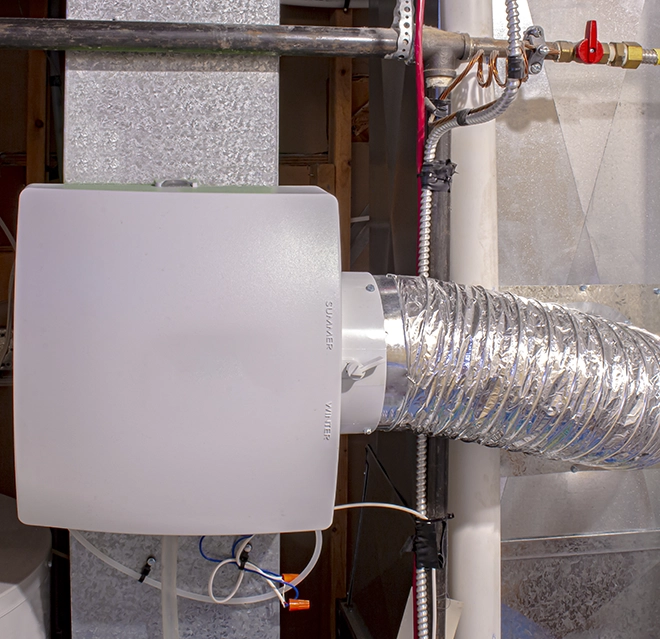
A side image view of an installed humidifier.

Schedule Online

By checking this box, I agree to opt in to receive automated SMS and/or MMS messages from Aire Serv, a Neighborly company, and its franchisees to the provided mobile number(s). Messages & data rates may apply. Message frequency varies. View Terms and Privacy Policy. Reply STOP to opt out of future messages. Reply HELP for help.

By entering your email address, you agree to receive emails about services, updates or promotions, and you agree to the Terms and Privacy Policy. You may unsubscribe at any time.

  • Most winter dryness complaints in this region trace back to something other than a lack of humidity equipment, and the alternatives are cheaper.

    Electric resistance backup heat is the big one. When your heat pump can no longer carry the load and electric strips take over, they heat air without adding any moisture, and heating air lowers its relative humidity substantially. On our handful of genuinely cold nights, a house running on backup strips can get noticeably dry.

    That is temporary and tied to a few days a year. Before adding equipment, it is worth verifying that your backup heat is not running more than it should. An auxiliary lockout set too high causes resistance heat to engage during mild weather when the heat pump could handle the load alone, producing both a dry house and an electric bill that alarms people. That is frequently a free configuration fix.

    Air leakage during a cold snap is the second contributor. A house with significant leakage exchanges indoor air for cold outdoor air, which holds far less moisture. Sealing air ducts addresses that better than humidification does.

    And static electricity is not a reliable diagnostic. Flooring type, footwear, and humidity all contribute. Measure before assuming.

    If your indoor relative humidity is sitting below 30 percent during heating operation, you have a case. Between 30 and 45 percent is normal.

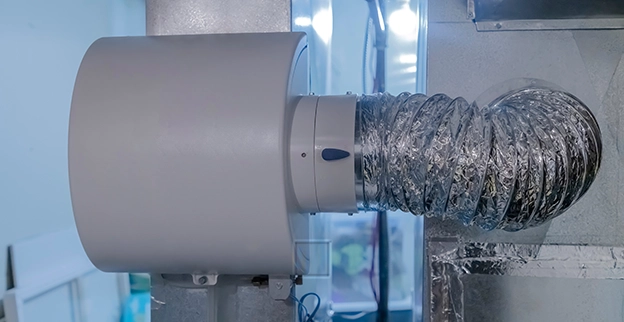
A side angled view of an installed humidifier.

When It Genuinely Makes Sense Here

These are real, and we install for them.

Documented low readings during heating season. If you have measured and are consistently below 30 percent while heating, and have already confirmed that backup heat is not running unnecessarily, humidification is a legitimate answer.

Medical need. Some respiratory conditions and specific physician guidance warrant controlled humidity levels. We defer to the doctor rather than making health recommendations.

Wood instruments, antiques, and collections. Pianos, string instruments, antique furniture, and some art require stable humidity within a narrow band. In a house that swings during heating season, control matters more than the average.

Wine storage and specialty rooms. Purpose-built spaces frequently have humidity requirements that have nothing to do with the rest of the house, and those are often better served by dedicated equipment for that room rather than whole-home humidification.

Very tight new construction during cold snaps only. A well-sealed house running resistance heat during a freeze can drop low enough to matter, though this is a handful of days a year and worth weighing against the equipment cost and the ongoing maintenance.

Outside those situations, the honest answer in one of the most humid climates in the country is that you probably do not need one.

The Risk of Getting This Wrong in This Climate

This is the reason we are cautious about the category rather than simply selling it.

An oversized or poorly controlled humidifier here adds moisture to a house whose baseline problem is excess moisture. That can produce condensation within wall assemblies and on cold surfaces, creating mold conditions that did not previously exist. This is not a theoretical caution. It is the specific risk of installing this equipment in the wrong place.

Controls are not optional. A humidistat that shuts the unit off when indoor humidity reaches the target, rather than a manually set unit running on a schedule, is the difference between a controlled result and a moisture problem.

Seasonal shutdown is required. A whole-home humidifier should be shut off and, on some types, physically bypassed at the end of the heating season. Leaving one active into a Gulf Coast spring means running equipment that adds water while your air conditioner works to remove it.

Maintenance matters too. Water panels and pads accumulate mineral scale and biological growth, particularly on well water. An unmaintained humidifier becomes a contamination source feeding directly into your ductwork rather than a comfort device.

If we measure your house and find your humidity is normal, we will tell you that and leave.

Your House Feels Dry. Here Is What Is Probably Happening.

Most winter dryness complaints in this region trace back to one of these, and none of them is solved by a humidifier.

Electric resistance backup heat. This is the big one. When your heat pump can no longer carry the load and electric strips take over, they heat air without adding any moisture, and heating air lowers its relative humidity substantially. On our handful of genuinely cold nights, a house running on backup strips can get noticeably dry. That is temporary and tied to a few days a year. Before adding equipment, it is worth verifying that your backup heat is not running more than it should be, which is a very common configuration problem. An auxiliary lockout set too high causes resistance heat to run in mild weather when the heat pump could handle it alone, producing both a dry house and a large electric bill. See heat pump repair.

A leaky house during a cold snap. During cold, dry weather, a house with significant air leakage exchanges indoor air for cold outdoor air, which holds far less moisture. Sealing and insulation address that better than humidification does.

Static electricity is not a reliable indicator. People often diagnose dry air by static shocks, but flooring type, footwear, and humidity all contribute. Measure before assuming.

Sinus and skin symptoms have other causes. Dry sinuses and skin can come from heat rather than humidity, from allergens, or from other factors entirely. If humidity is your suspicion, measure it. A hygrometer costs very little and settles the question.

The measurement that matters: if your indoor relative humidity is sitting below 30 percent during heating operation, you have a case. Between 30 and 45 percent is normal and comfortable. Above that, you do not have a dry house.

Your House Feels Dry. Here Is What Is Probably Happening.
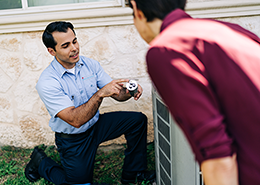
Aire Serv technician knocking on a customer's door.

When a Humidifier Genuinely Makes Sense Here

These are real, and we install for them.

Documented low readings during heating season. If you have measured and you are consistently below 30 percent while heating, and you have already confirmed backup heat is not running unnecessarily, humidification is a legitimate answer.

Medical need. Some respiratory conditions, and specific guidance from a physician, warrant controlled humidity levels. We defer to the doctor rather than making health recommendations.

Wood instruments, antiques, and collections. Pianos, string instruments, antique furniture, and some art require stable humidity within a narrow band. In a house that swings during heating season, control matters more than the average.

Wine storage and specialty rooms. Purpose-built spaces frequently have humidity requirements that have nothing to do with the rest of the house, and these are often better served by dedicated equipment for that room.

Very tight new construction, during cold snaps only. A well-sealed house running resistance heat during a freeze can drop low enough to matter, though this is a handful of days a year and worth weighing against the equipment cost.

If You Do Need One

Sizing matters in both directions. An oversized humidifier in this climate is genuinely dangerous to your house. Adding moisture in a region where the baseline problem is excess humidity can create condensation inside wall assemblies and on cold surfaces, which is how you get a mold problem that did not previously exist. This is not a theoretical caution. It is the specific risk of installing this equipment in the wrong place.

Controls are not optional here. A humidistat that shuts the unit off when indoor humidity reaches the target, rather than a manually set unit that runs on a schedule, is the difference between a controlled result and a moisture problem.

Seasonal shutdown is required. A whole-home humidifier should be shut off and, on some types, physically bypassed at the end of the heating season. Leaving one active into a Gulf Coast spring is how a homeowner ends up calling us about a humidity problem they created.

Maintenance. Water panels and pads accumulate mineral scale and biological growth, particularly on well water. An unmaintained humidifier becomes a contamination source rather than a comfort device. If you install one, it needs to be serviced annually.

What We Will Not Do

We will not sell you a humidifier without first measuring your indoor humidity.

We will not recommend one alongside a dehumidifier for the same space without a specific technical reason, since that combination is usually a sign that something in the design is wrong.

We will not install one in a home where sizing or control limitations mean it is likely to create condensation problems.

And if we measure your house and find your humidity is normal, we will tell you that and leave, which is a shorter visit and a better outcome than selling you equipment that does not solve your complaint.

Related Services

Written by the team at Aire Serv of Northwest Florida.
Technically reviewed by Justin B., NATE-certified and EPA 608 certified, 19 years in the trade.
Reviewed for accuracy by owner Justin Sonntag, a 26-year Gulf Coast resident.
Florida Certified Air Conditioning Contractor, license CAC1823566.

Last reviewed: August 2026

Questions about your system? Call or book online in about a minute.
The Aire Serv Advantage

From tune-ups and maintenance to heater repair and air conditioning replacement, we provide services that keep the air you breathe clean and keep your home or business at the perfect temperature.

Worry-Free HVAC Starts with Our Advantage Plan

Keep your system running smoothly with expert care you can count on.

Humidifier Questions

  • Almost certainly not, and any contractor recommending one without measuring your indoor humidity first should be questioned. This is one of the most humid climates in the country, and the normal problem here is removing moisture, not adding it. The real exceptions exist: documented readings below 30 percent during heating operation, a physician's guidance for a respiratory condition, wood instruments or antiques requiring stable humidity, or a specialty room like wine storage. Outside those, a dry-feeling house in winter usually has a different cause, most often electric backup heat running more than it should.

Worry-Free HVAC Starts with Our Advantage Plan

Keep your system running smoothly with expert care you can count on.

Schedule Online

By checking this box, I agree to opt in to receive automated SMS and/or MMS messages from Aire Serv, a Neighborly company, and its franchisees to the provided mobile number(s). Messages & data rates may apply. Message frequency varies. View Terms and Privacy Policy. Reply STOP to opt out of future messages. Reply HELP for help.

By entering your email address, you agree to receive emails about services, updates or promotions, and you agree to the Terms and Privacy Policy. You may unsubscribe at any time.